Olympia London
A digital transformation to match Olympia’s physical rebirth

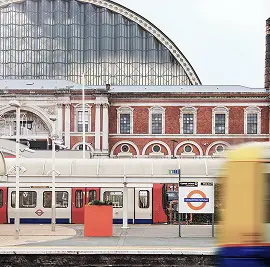
In 1886, Olympia flooded its own Grand Hall and floated gondolas across it for a recreation of Venice. It later hosted the world's first public television broadcast, then Jimi Hendrix, then decades of trade shows and Comic-Con crowds. The one thing Olympia didn't have was a website that felt like any of that history.
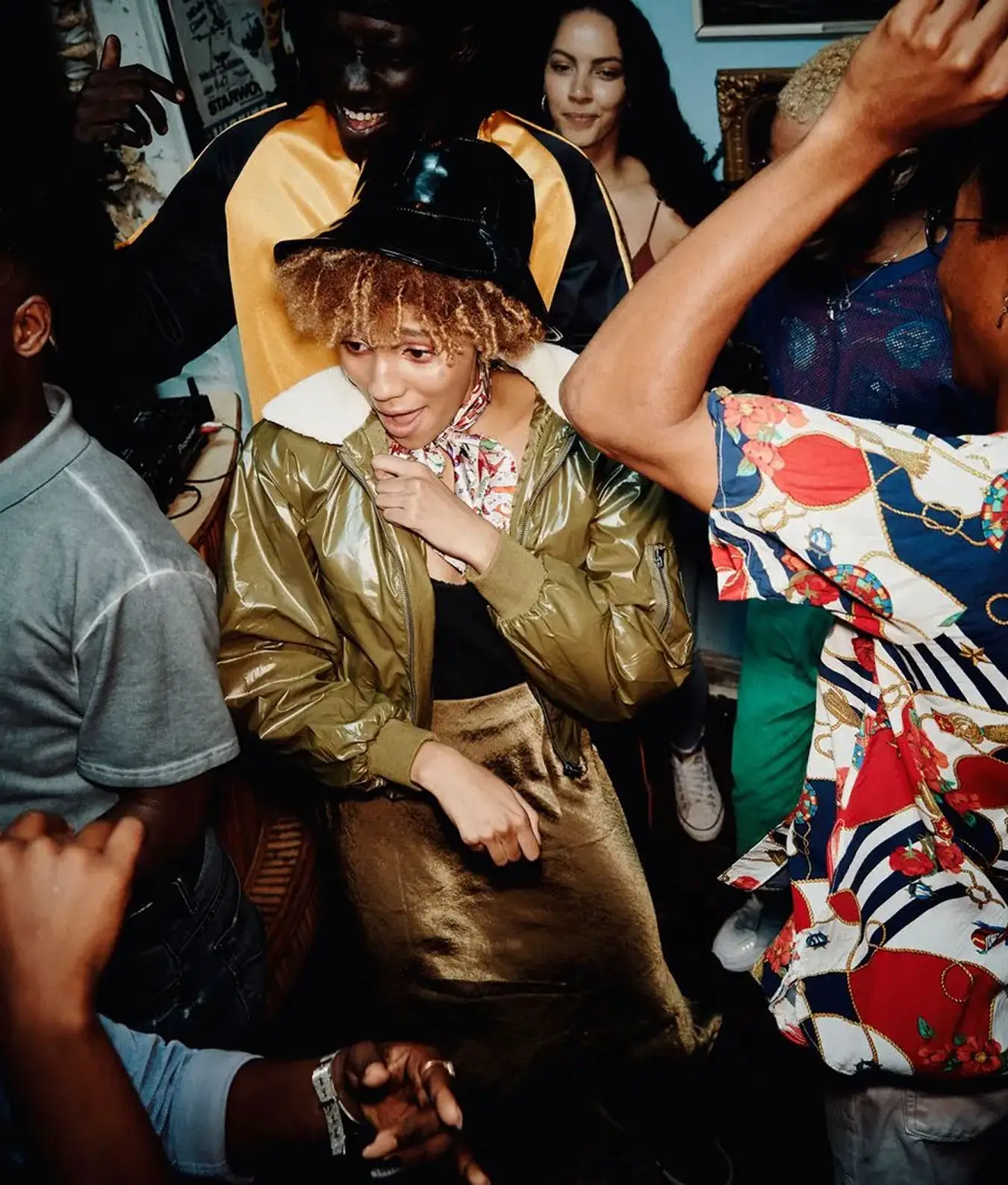
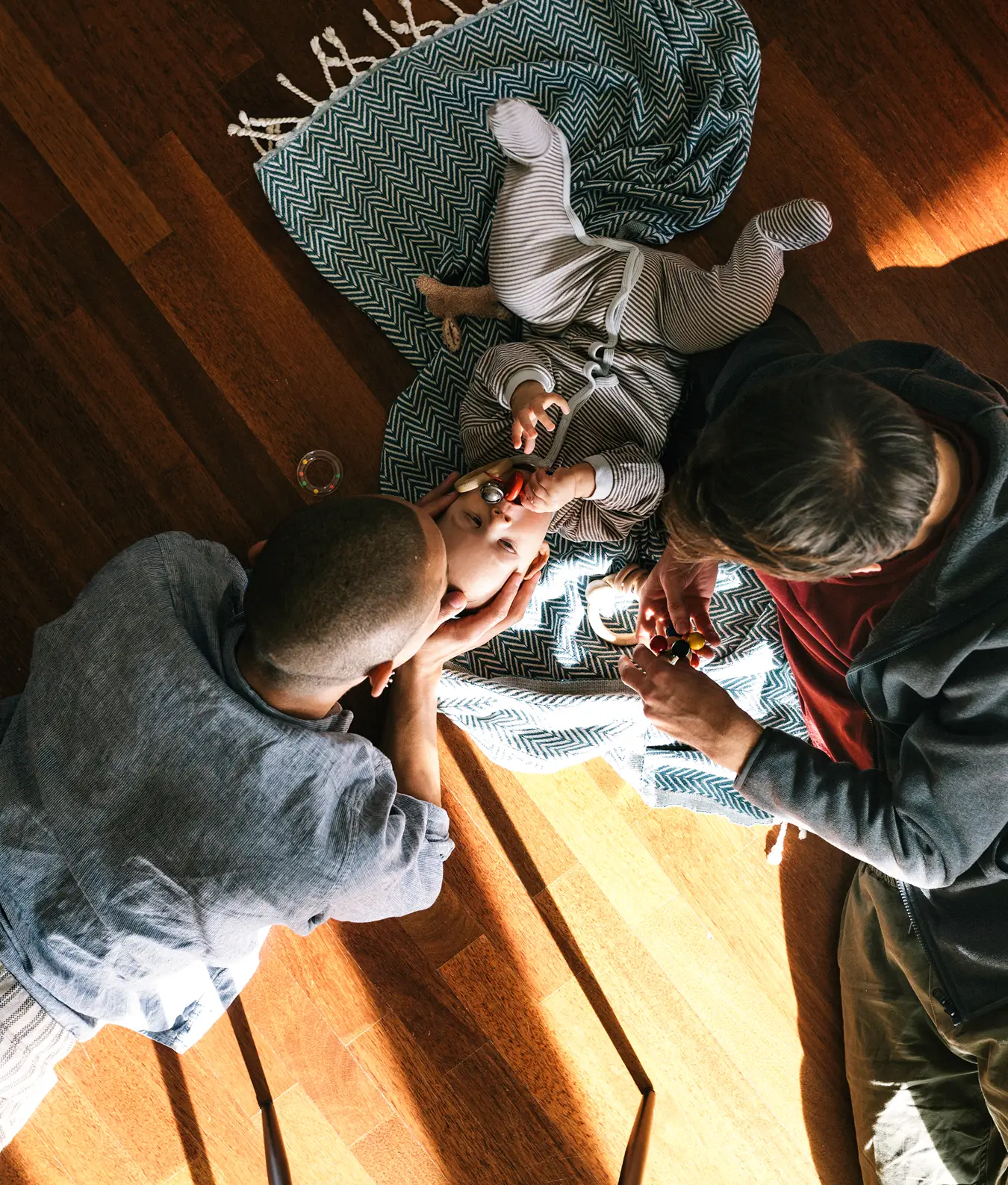
We started by working with Olympia’s team to map out who was actually going to show up: concertgoers, conference organisers, diners, hotel guests, tourists, families. More than 30 kinds of visitor, each needing to find something different first.
First prototypes reached Olympia within 24 hours of kickoff, and that thinking became a component-based site in Webflow, flexible enough to hold a food festival announcement and a corporate leasing enquiry without either feeling out of place, with Webflow Optimize underneath for personalisation and A/B testing.
SERVICES

£1.3B
Development investment
10M
Annual footfall

30+
Unique personas
65%
AI session engagement rate
↑302%
Organic traffic (YoY)
Testimonials
Challenge
Nowhere to put 140 years of spectacle
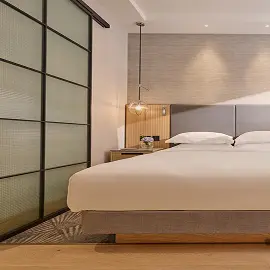
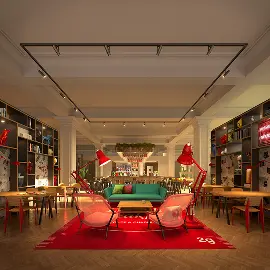
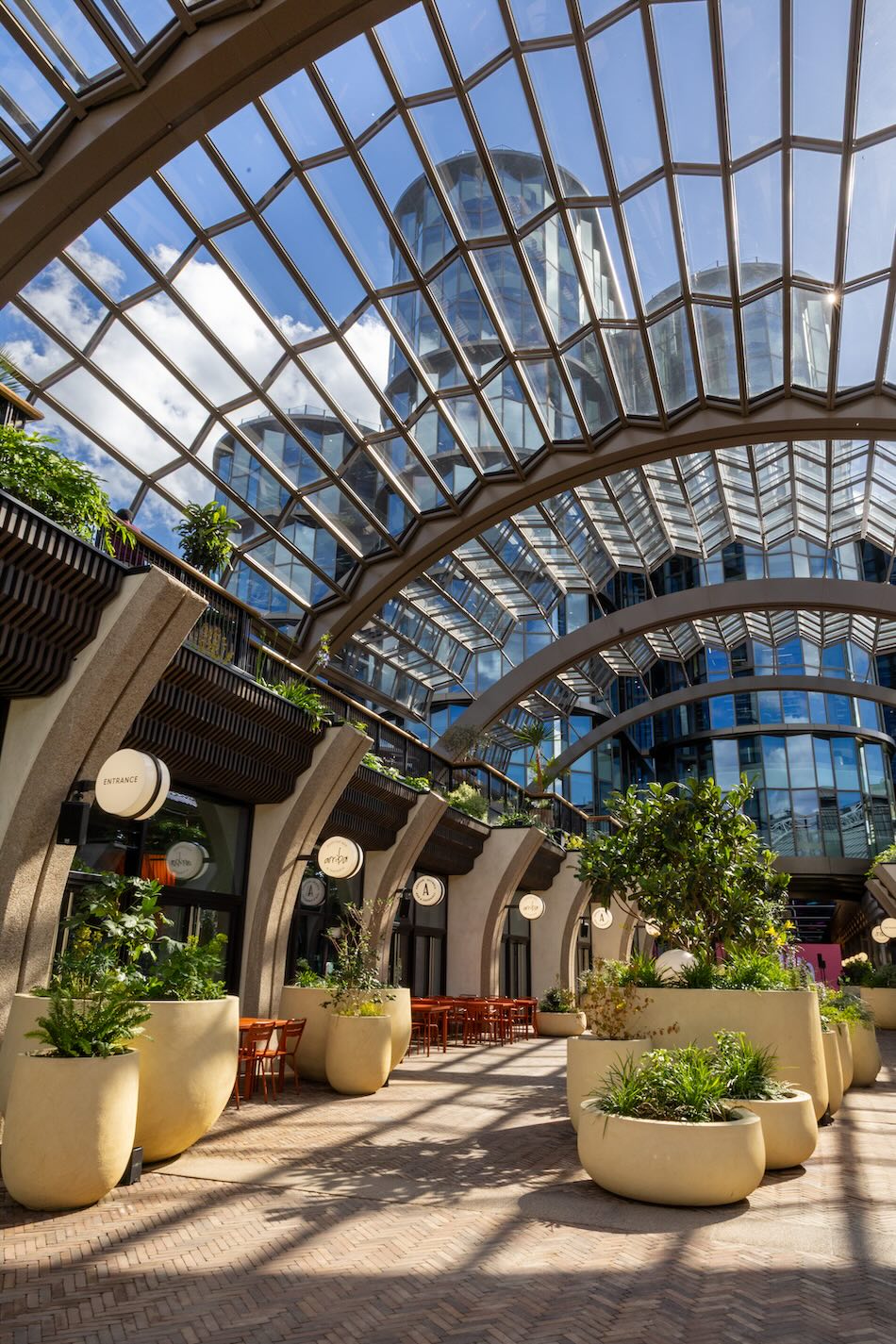
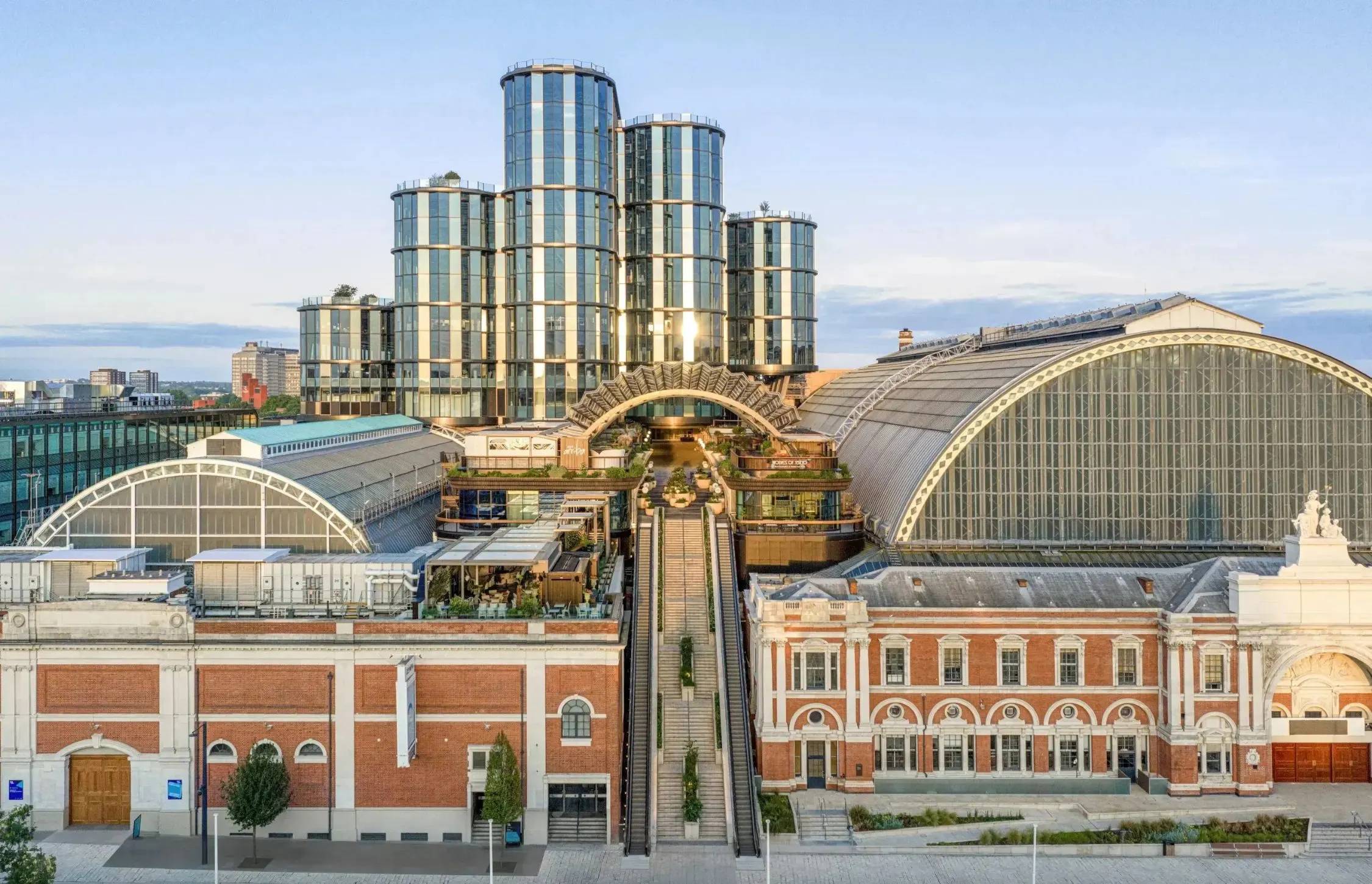
Olympia was mid-way through turning itself into a destination for concerts, dining, and hospitality, with a projected 10 million visitors a year once fully open. The website hadn’t caught up. It was still running as though the venue were only ever an exhibition hall, with no way to explain what Olympia was becoming and no story for the people it was about to welcome. Sheahan Arnott, Olympia’s Senior Digital Marketing Manager, described it as living out of a hotel while trying to find a home.
The physical redevelopment wasn’t going to wait. Olympia had six months to close the gap before the public reopening, and whatever launched had to be ready for the CRM and personalisation programme coming behind it.
Solution
Building one site for thirty different kinds of visitor
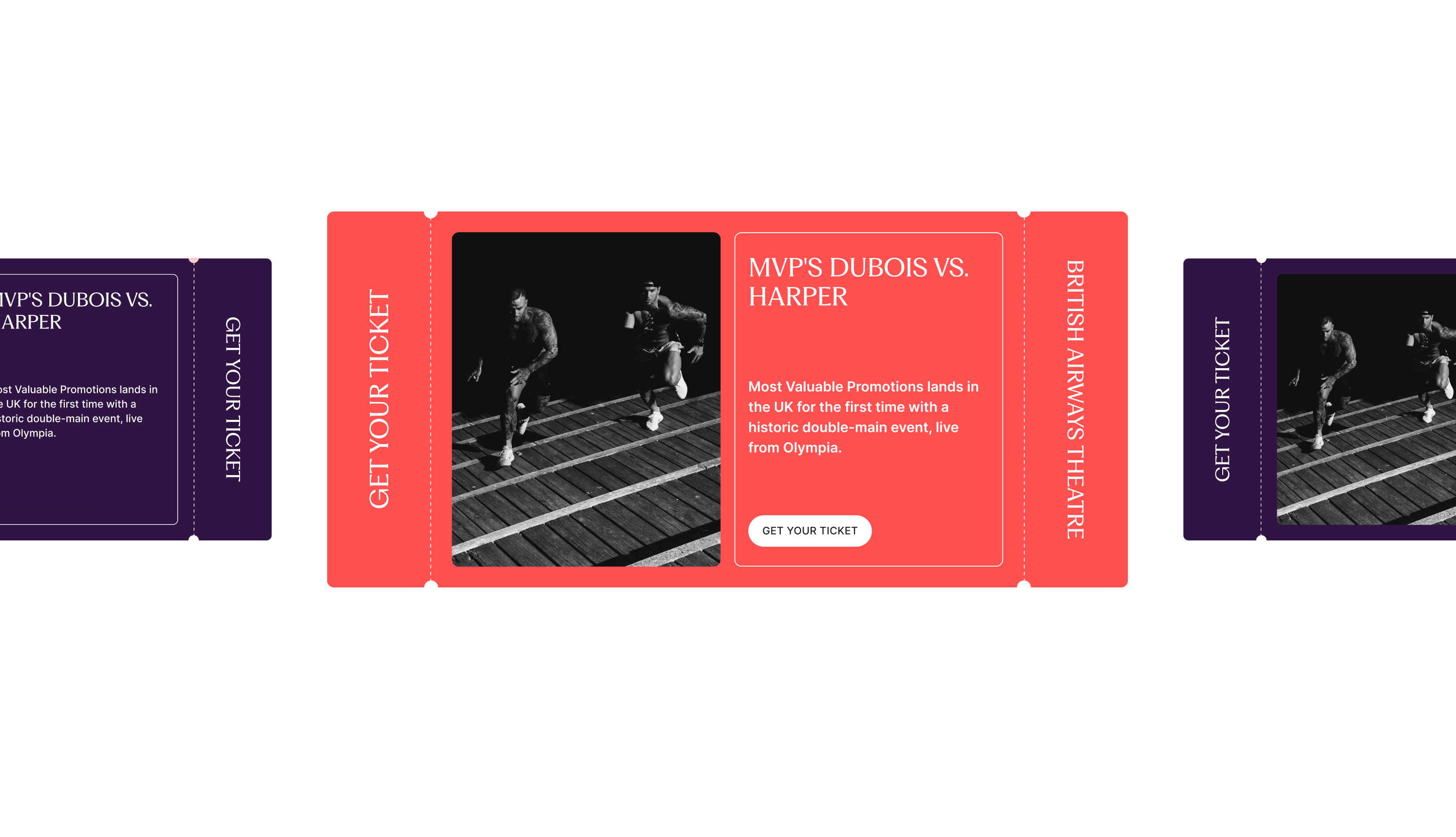
We started with the story, not the screens. Before any design decision, we worked with Olympia’s team to define what the reimagined venue needed to say and to whom. That meant mapping more than 30 kinds of visitor, from concertgoers and conference organisers to diners, hotel guests, tourists, and families, and working out what each of them needed to find first. Those personas became the site’s structure: which pages existed, what they were called, how someone moved between a show listing and a dinner booking without feeling they’d changed websites.
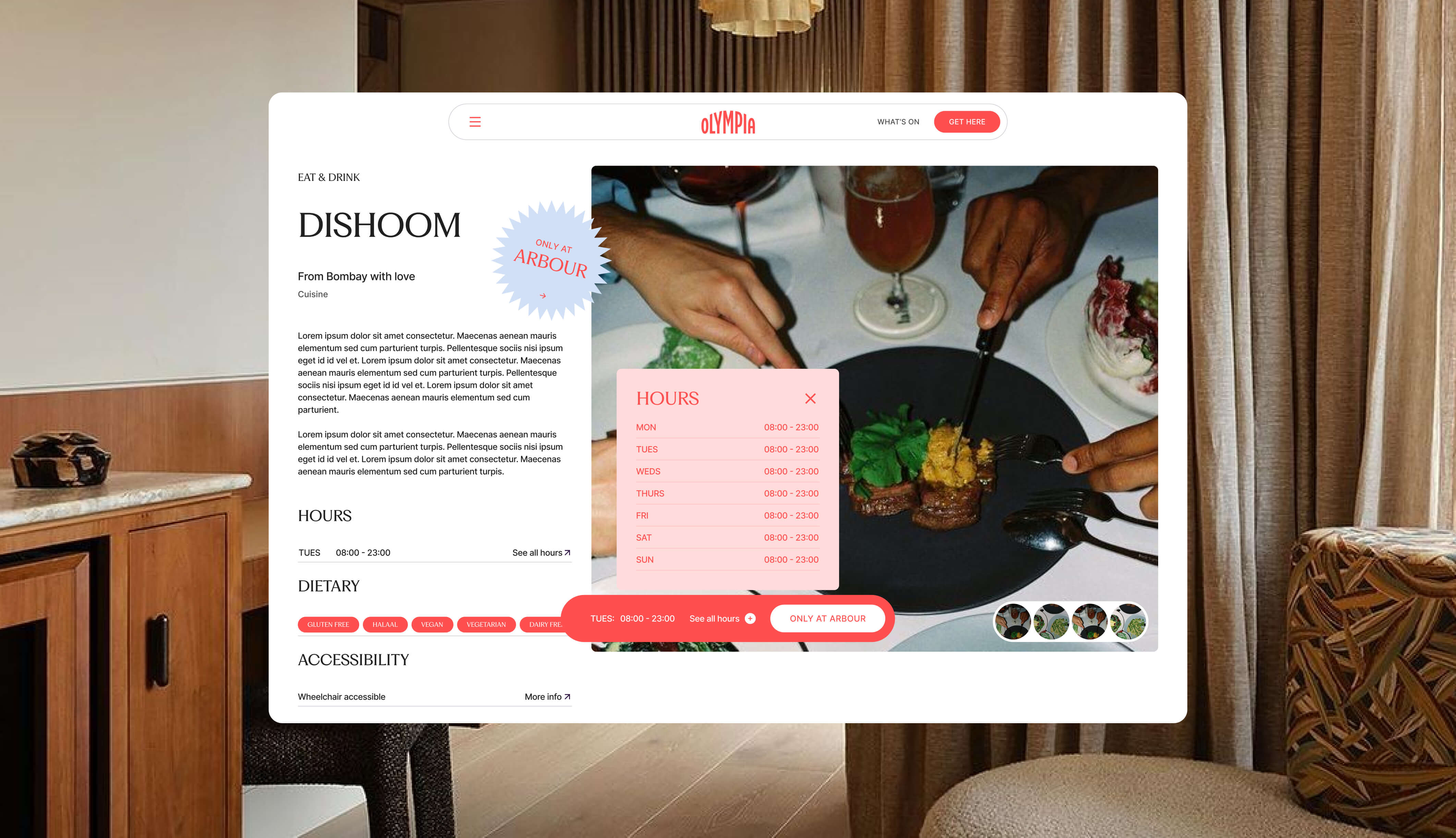
The design followed from that. We built a component-based system in Webflow with one underlying structure, so a concert listing, a hotel booking page, and a restaurant’s dietary filters all read as one place. First prototypes reached Olympia within 24 hours of kickoff, which let the team react and adjust in real time and took weeks out of the usual back and forth.
The result is a site Olympia’s own marketers run and expand without an agency in the loop, with SEO and performance handled in the foundations and Webflow Optimize in place for testing and personalisation as the CRM comes online.
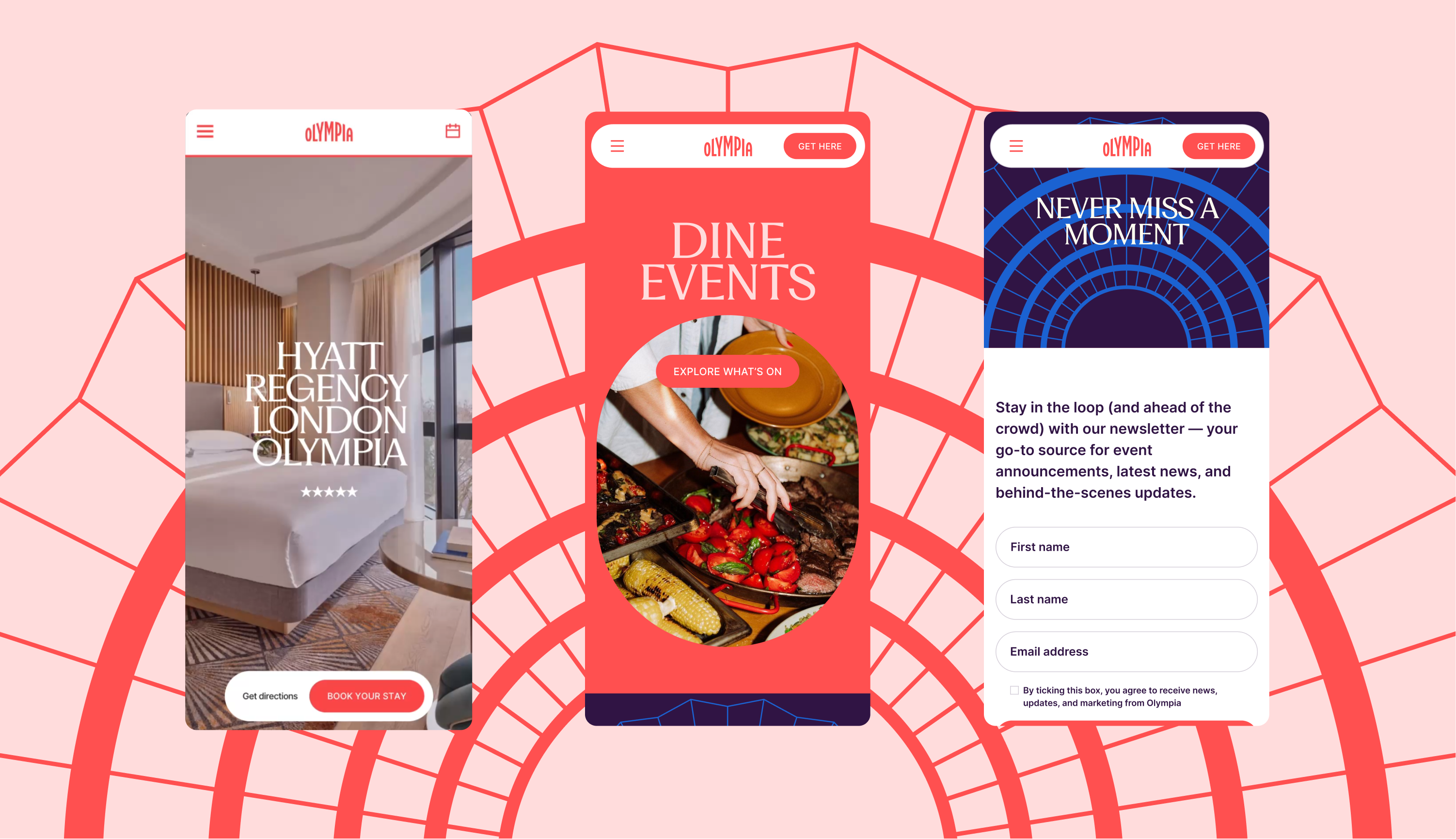
Looking the part on any screen
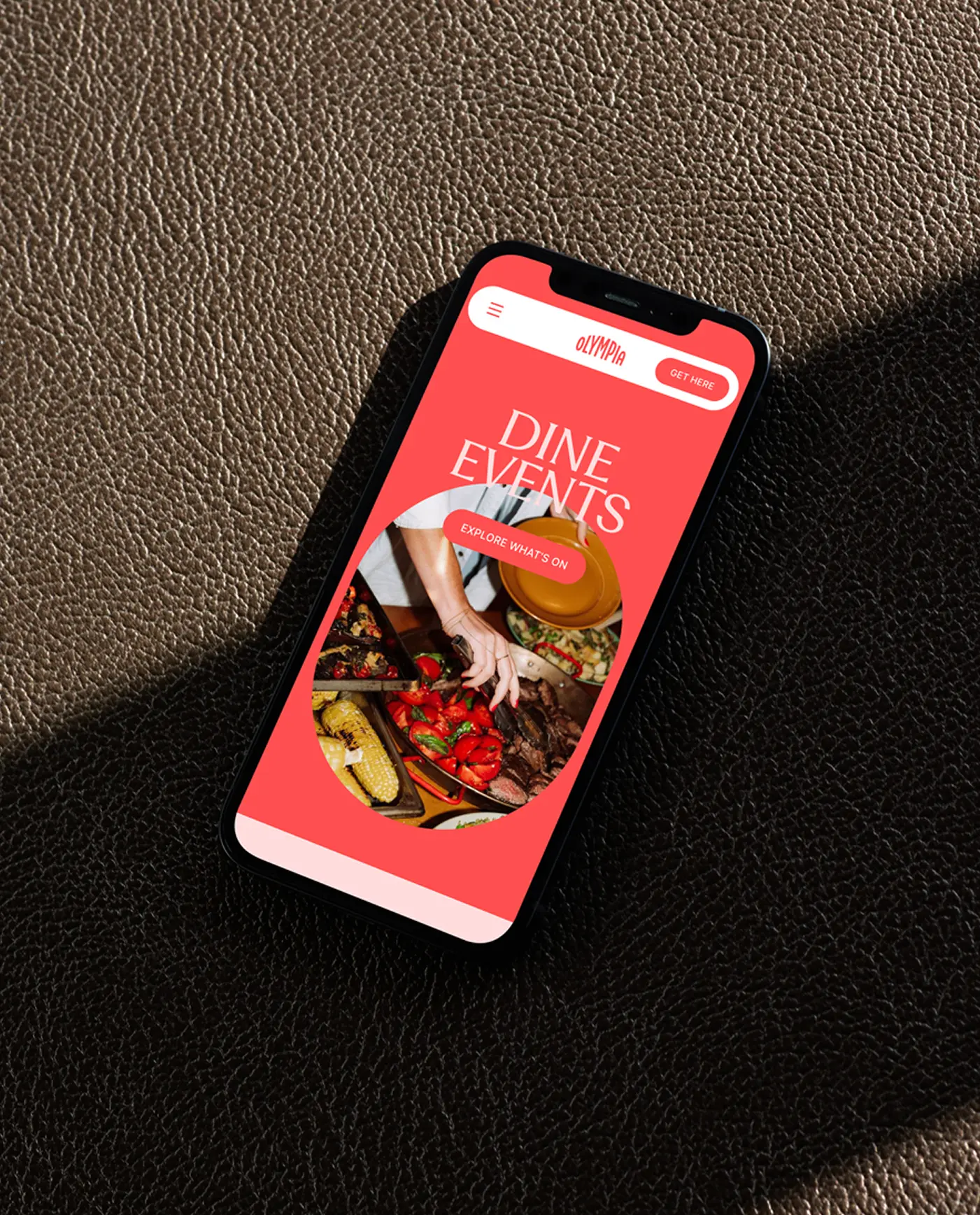
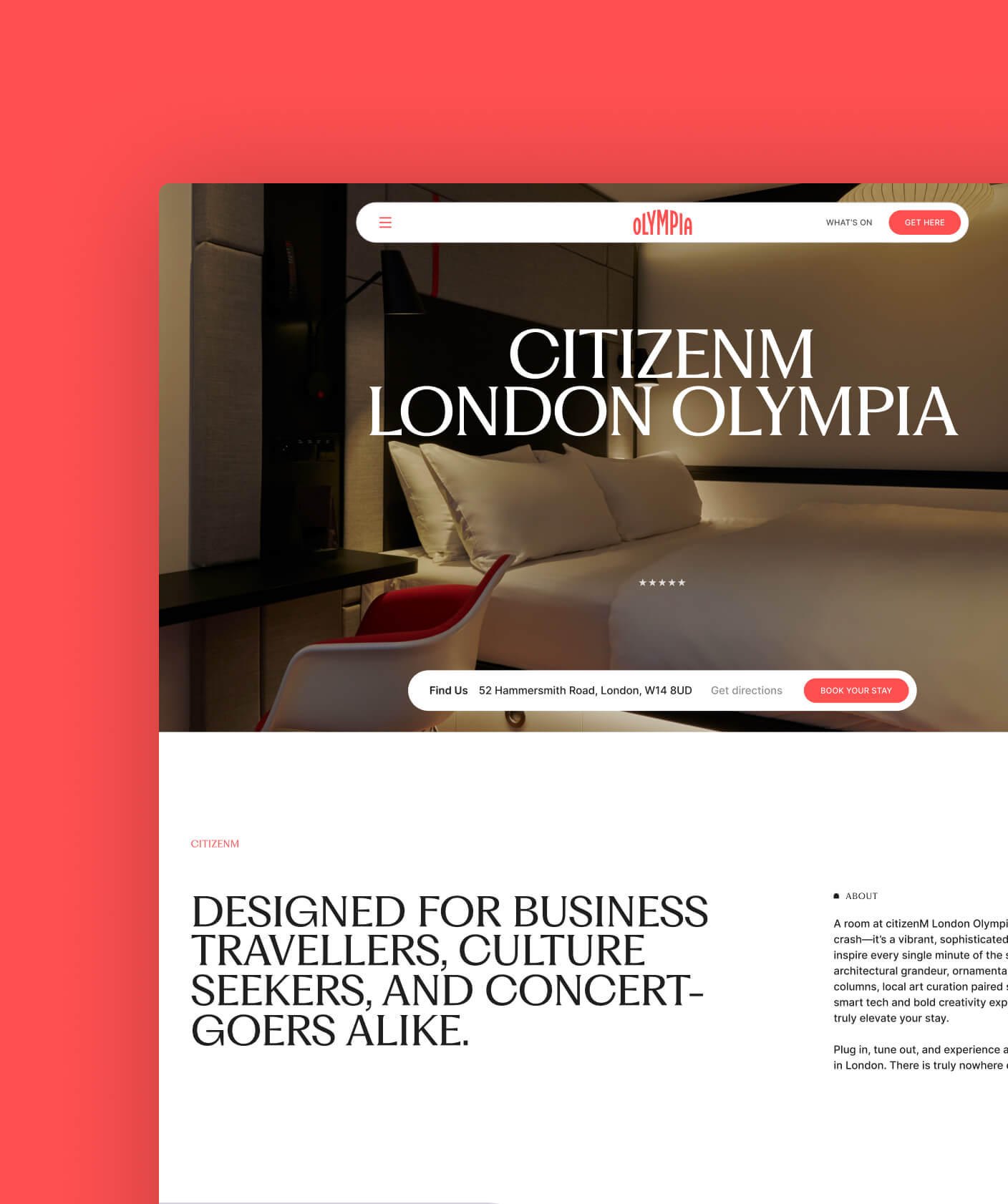
Whether someone’s checking on a phone with patchy signal on the Tube or planning ahead from a laptop overseas, every page holds its shape.
The work didn’t stop at launch: testing audiences and messaging in Webflow Optimize, tuning the site for search and AI-driven discovery, and evolving the structure as Olympia’s programme and personas grow. The six-month build gave Olympia a foundation. The ongoing work is what keeps it earning its place.
More Projects


Business Insider
Business journalism doesn’t have to be boring


Evelyn Health
A clinical resource for the 84% who don’t feel heard