Webflow Conf 2026: Craft, the Platform, and Where It's Headed
Linda Tong opened the keynote with a story about the night before Android's first phone shipped, back in 2008. She was on the marketing team at Google. Her crew crammed into a hotel room, one person coding, one pasting approved copy into HTML, someone else nudging pixels on padding until the site finally went live at 6am. Getting anything onto the internet took three people and a full night of manual work.
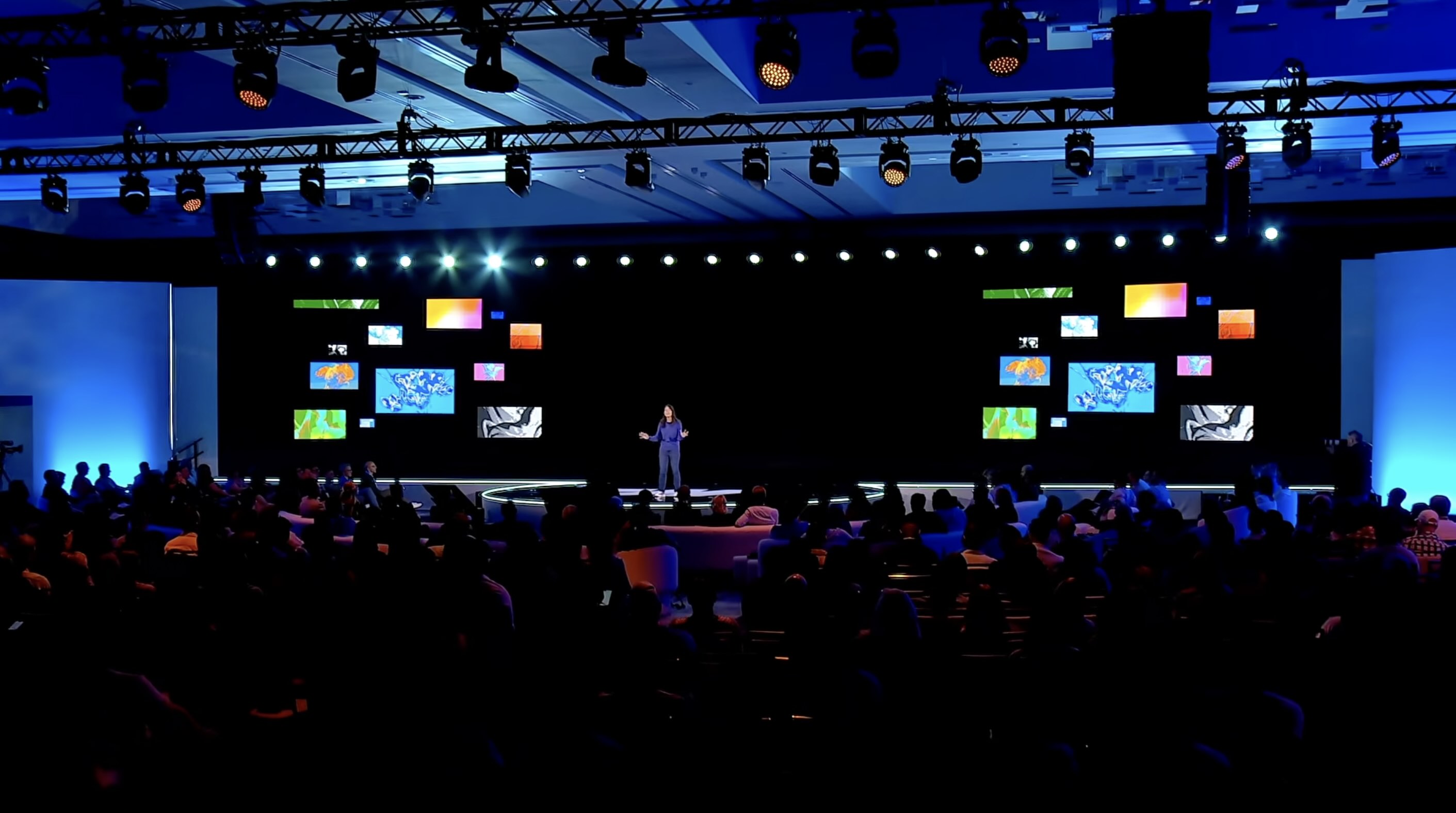
Today, a lot of that first pass can be generated in minutes with a prompt. Her point wasn't that engineering has stopped mattering. It's that the value has moved to the judgment behind it: knowing what to build, how to build it well, and when the generated version isn't good enough. Her word for it was craft.
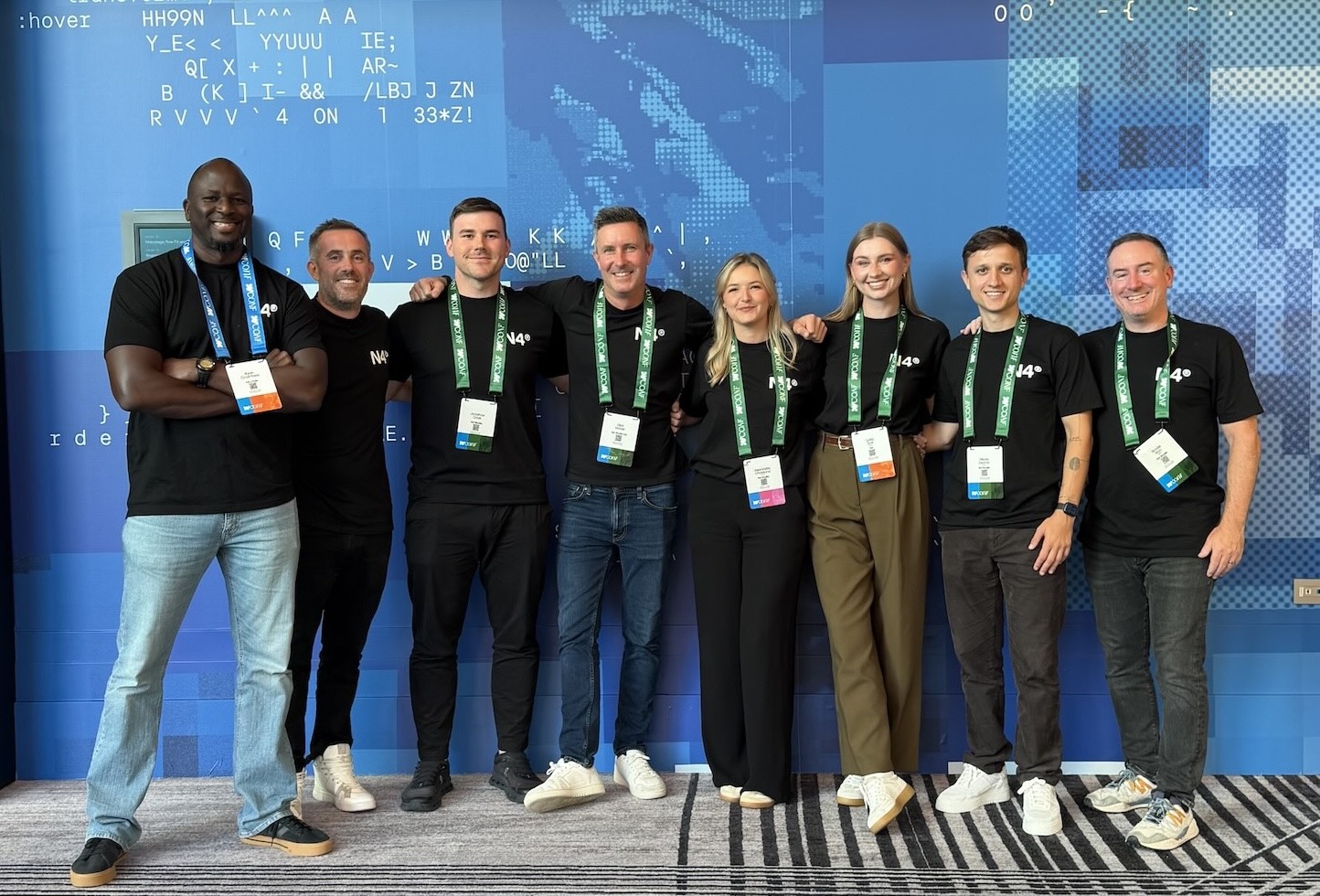
That's the same reason we still sent a team to Boston rather than watching the stream from home. Craft will never travel as well through a Slack thread. Five minutes standing next to the right person at a coffee cart still tells you more than months of calls and threads.
This year that meant real conversations with the Webflow team, with other partners, with clients we'd sometimes only known as avatars on a screen. Faces to names, and context you just don't get remotely. And then there's the room itself: a few thousand people who care about the same craft. Hard to overstate what that does to a week.
Where Webflow got sharper
Webflow shipped a long run of updates this year, you can catch the full list here. The ones that change how we work:
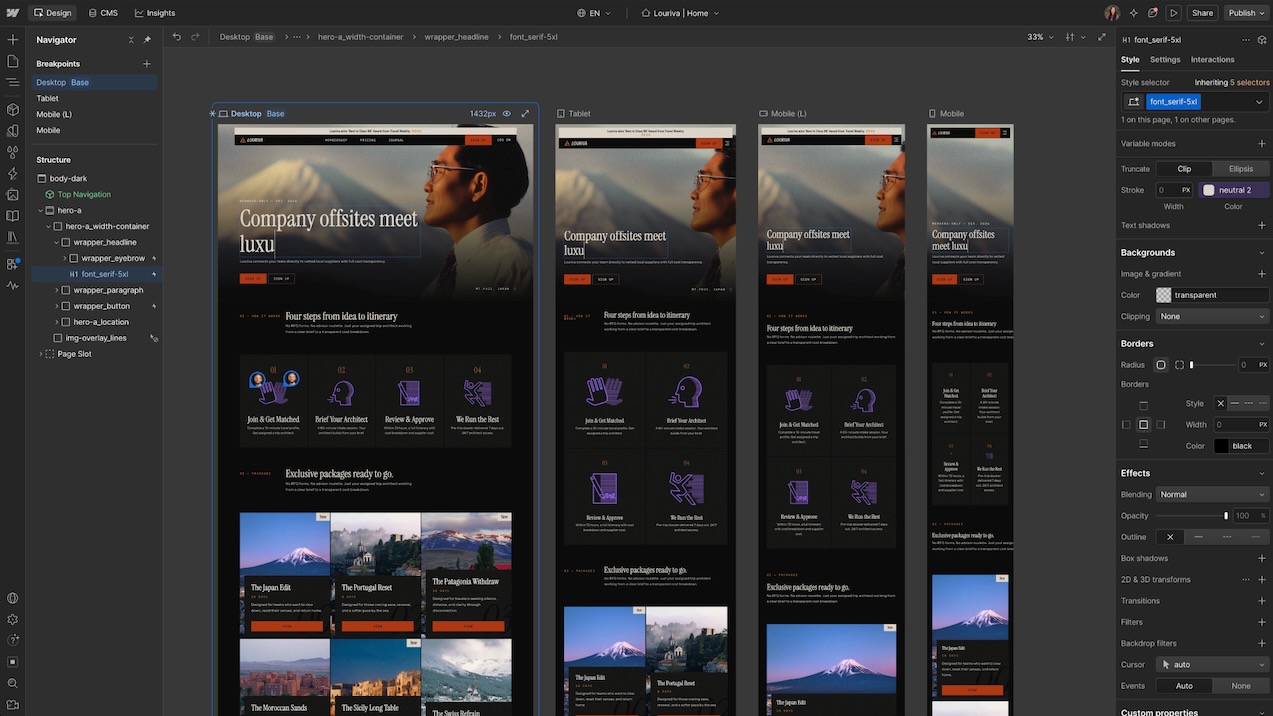
01. Breakpoint canvas
Responsive work has always meant clicking between breakpoints and hoping nothing broke further down. Breakpoint canvas puts desktop, tablet and mobile side by side in one view, so changes cascade in front of you rather than surfacing in QA. It also makes agent output much easier to review across devices. Fewer surprises at handover, faster sign-off.
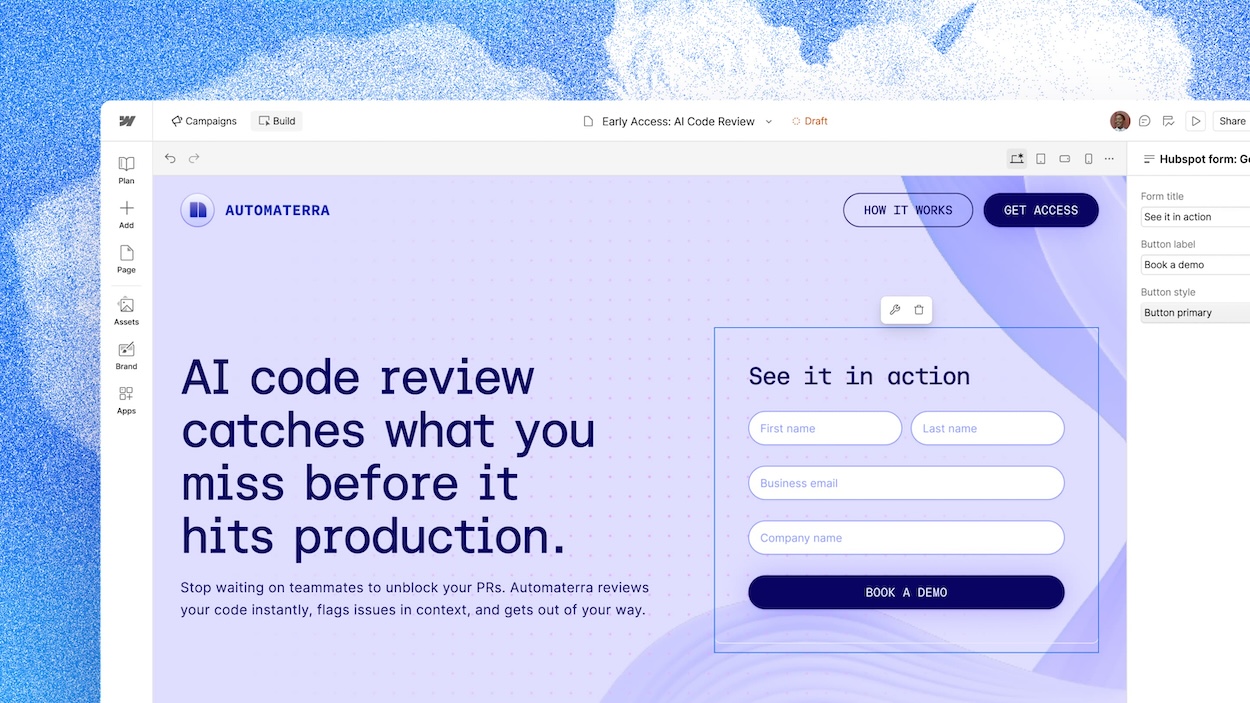
02. Campaigns, Assets and AEO
Two new products for marketers came out of the same release. Campaigns turns a brief into a live, personalized landing page and matching ad creative in hours. Assets gives teams one place for on-brand creative, from tweaking an old image to cutting a full video into social clips. AEO picked up real numbers too: Webflow's own figures put its AEO customers at 70% more mentions and 120% more citations than non-Webflow brands.
03. MCP 2.1
"MCP 2.1 is a real one for us, given the work we already do with Claude connected to client sites," says Alex, on N4's team. "Better CMS filtering means we can turn around content audits and bulk updates faster, without the back and forth that used to slow that work down for clients."
"AI runs through the whole platform now," adds Alexandria Hurley, our General Manager, who spent the week in roundtables with Webflow's executive team. "For our clients, that means faster builds and fewer tools to manage."
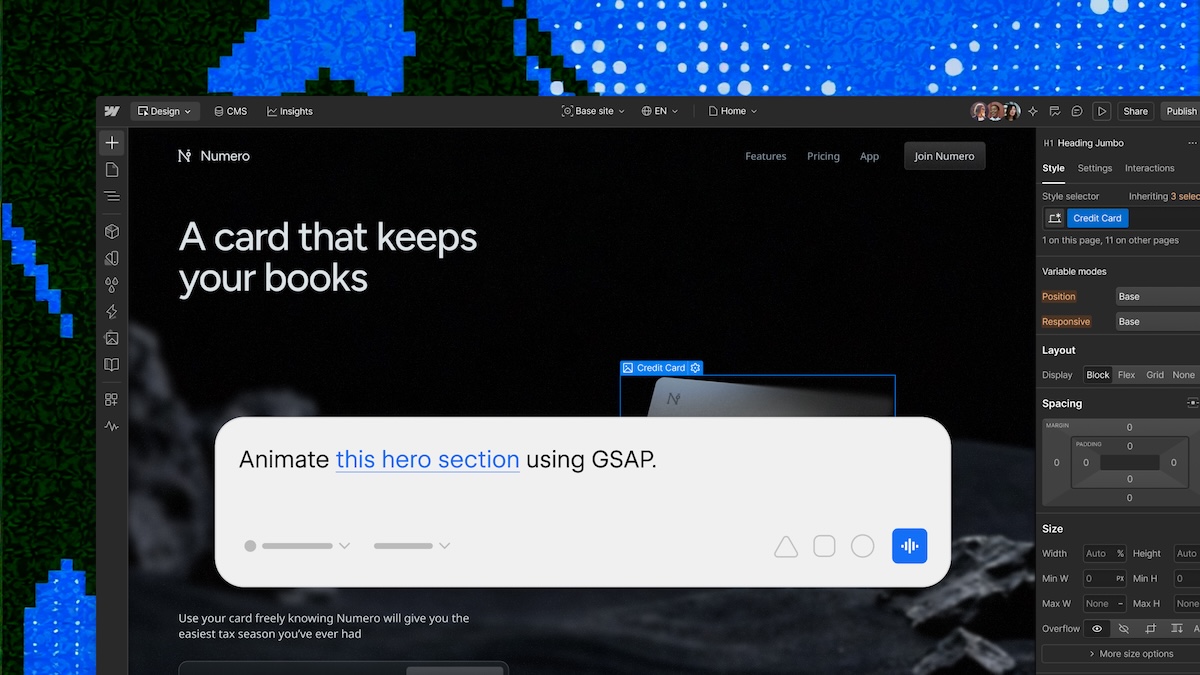
Source, by Webflow
Source is a different kind of announcement.
Most website builders work from a translation of the code, a simplified version standing in for what's running underneath. Webflow built Source to work from the original, the same code a developer would open in an editor. Code is what an agent understands best, so give it the real thing and it can read a whole system, make changes to it, and check its own work at a scale a translated version never allowed. That's a real departure from how Webflow has worked since it started.
%20(1).jpg)
Inside Source, everyone on a team gets their own workspace for the job they own: a CMS view, an Inbox where agents drop recommendations for review, a Review view for approving what's about to ship, a Brand view holding the design system agents follow. A CMO can approve a new post from one view while a product marketer ships a smaller update from another, both working off the same brand rules and the same audit trail.
"It hands marketers real power to build on their own sites, without waiting on a developer for every small change," says Nikola, the Head of Webflow at N4.
"I haven't seen an interface built quite like it," adds Brodie Rich, our Design Consultant. "It's close to how I've always pictured a new building experience should feel."
Elsewhere at Webflow Conf
Off the main stage, more than one of us picked out the same moment:
01. Podcast Episode #004 Filmed Live on Stage
Lydia, our Client & Growth Lead for EMEA, was on stage for a different kind of conversation, alongside Jaime Fallon, Creative Director at Business Insider, on how a newsroom that size uses AI day to day, and just as importantly, where it draws the line. The episode goes live October.
02. Timothy Ricks joins Webflow
Timothy Ricks, the developer behind the widely used Lumos framework, joining Webflow full time. "He's one of the most recognized names in the Webflow and web development space," Nikola says. "Seeing him join the team felt like a strong signal of where the platform is heading."
03. Alex, MD, Takes to the Mic
Live on FlowTV, our Managing Director Alexander Hurley takes to the mic to talk about what it manes to be a Webflow partner.
04. N4 Wins Agency of the Year
Webflow made a similar call about us, naming N4 Agency of the Year, one out of more than 1,200 in their certified partner directory. "That recognition is proof the relationship runs both ways," says Alexandria Hurley. "We tell Webflow what our clients need day to day, and they take it seriously."
Building on what’s next
Getting something live has become a lot faster over the last couple of years. Webflow Conf 2026 made that plain, and it sharpened the keynote's point: the work that matters is craft, the design and engineering judgment that decides whether what ships is any good. On the platform, that looked like:
- Agents doing real work inside the platform
- Governance and a proper translation workflow built for enterprise teams running across multiple markets.
- Two new products aimed squarely at the marketer's job.
- And running underneath all of it, Source, changing what a team and its agents can build together.
Most of that is already showing up in client work:
- Governance and translation are already part of how we plan enterprise builds.
- The smaller fixes are already saving time on the accounts that hit them weekly.
- Source is the one still ahead of us, and the one we're leaning into hardest.
Most of what a client feels after launch, how fast a change ships, how much goes through a developer versus a marketer, how easily a site gets managed month to month, is exactly what Source is built to improve. It's a platform that can move a business forward, and we want to be the ones driving it for our clients.
Planning a site overhaul in the next year? Let's talk about doing it on Webflow.



.jpeg)