The honest framing
Silverstripe is a capable, well-maintained open-source CMS with a genuine following, particularly in Australia and New Zealand. It has earned its position in the market. This comparison is not an attempt to dismiss it - it is an attempt to be clear about where the two platforms differ in ways that matter to enterprise marketing teams in 2026, and where the gap has widened significantly in the last two years.
N4 is the number one ranked Webflow Enterprise Partner globally. We build on Webflow because we believe it is the best platform for enterprise web. We have also built on Silverstripe. This comparison is grounded in both.
What is Silverstripe?
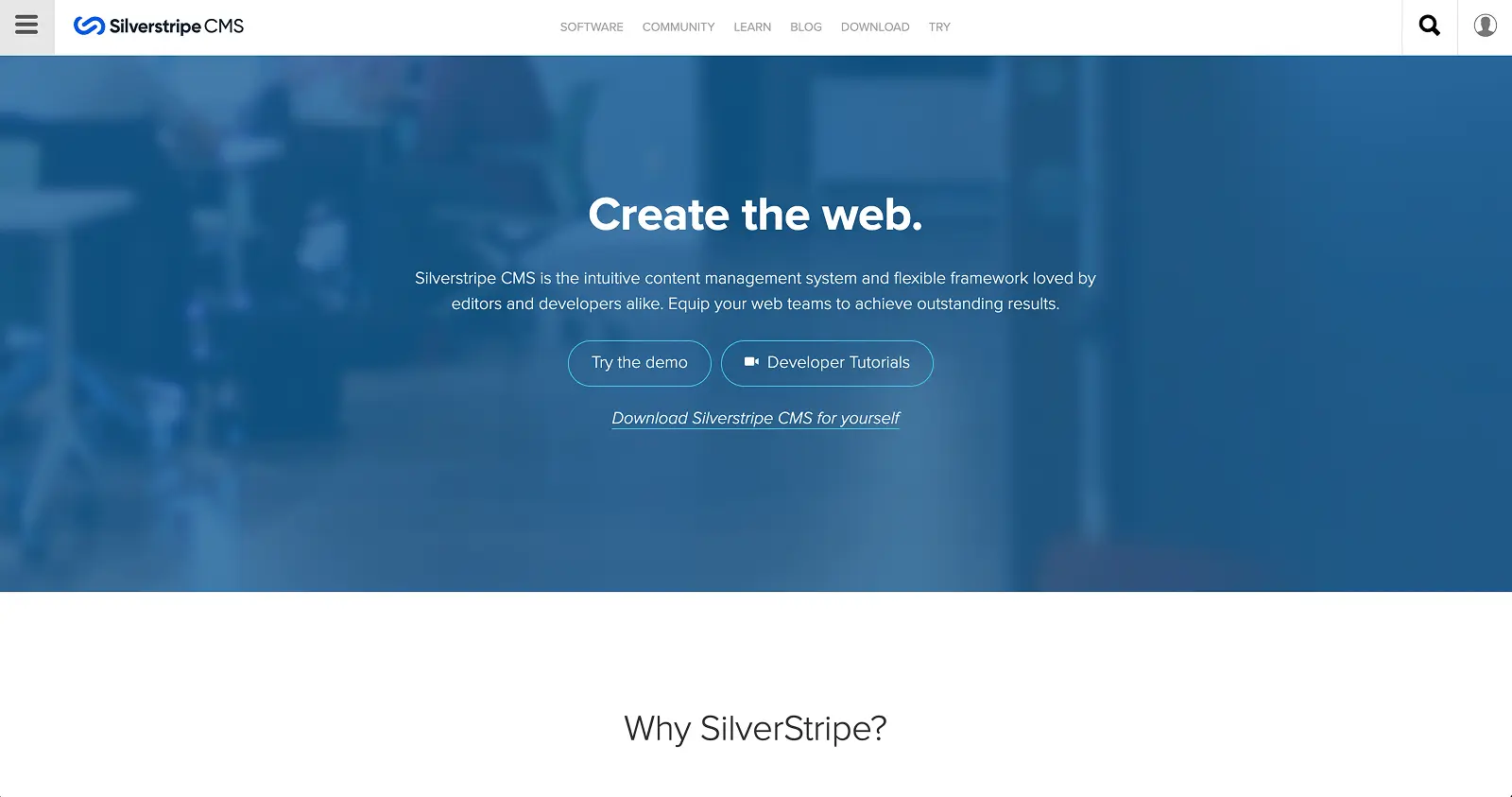
Silverstripe is an open-source CMS and PHP framework founded in New Zealand in 2000. Its source code is publicly accessible, it has a strong regional developer community, and it is used extensively across government, education, and commercial sectors in ANZ. The platform's strengths are developer flexibility, a structured templating system, and the security that comes from an actively maintained open-source codebase.
What is Webflow Enterprise?
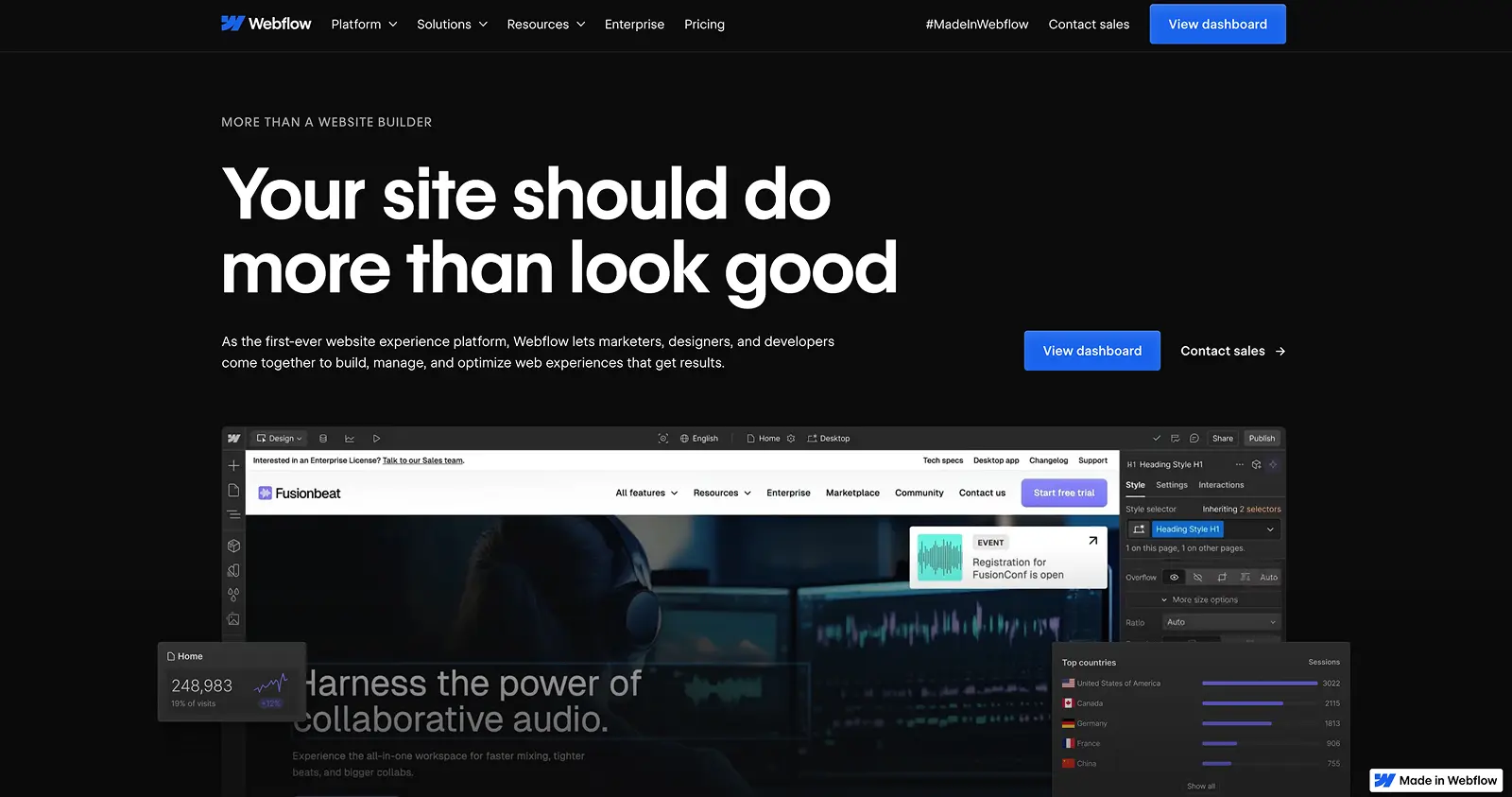
Webflow was founded in 2012 around a different premise: a visual development environment that produces production-quality code without requiring manual coding for every change. Since 2020, Webflow Enterprise has extended that model to large organisations - adding governance, security, SLA commitments, and an AI-native growth layer that enterprise marketing teams increasingly require. It is now used by Dropbox, Spotify, Monday.com, TED, Docusign, and The New York Times.
Learn more in our Webflow Enterprise guide.
The comparison
Before we get into the detail: N4 is a Webflow Enterprise Partner - we are not neutral. But we have built on Silverstripe, and this comparison reflects both platforms honestly.
01. Build speed
Silverstripe:
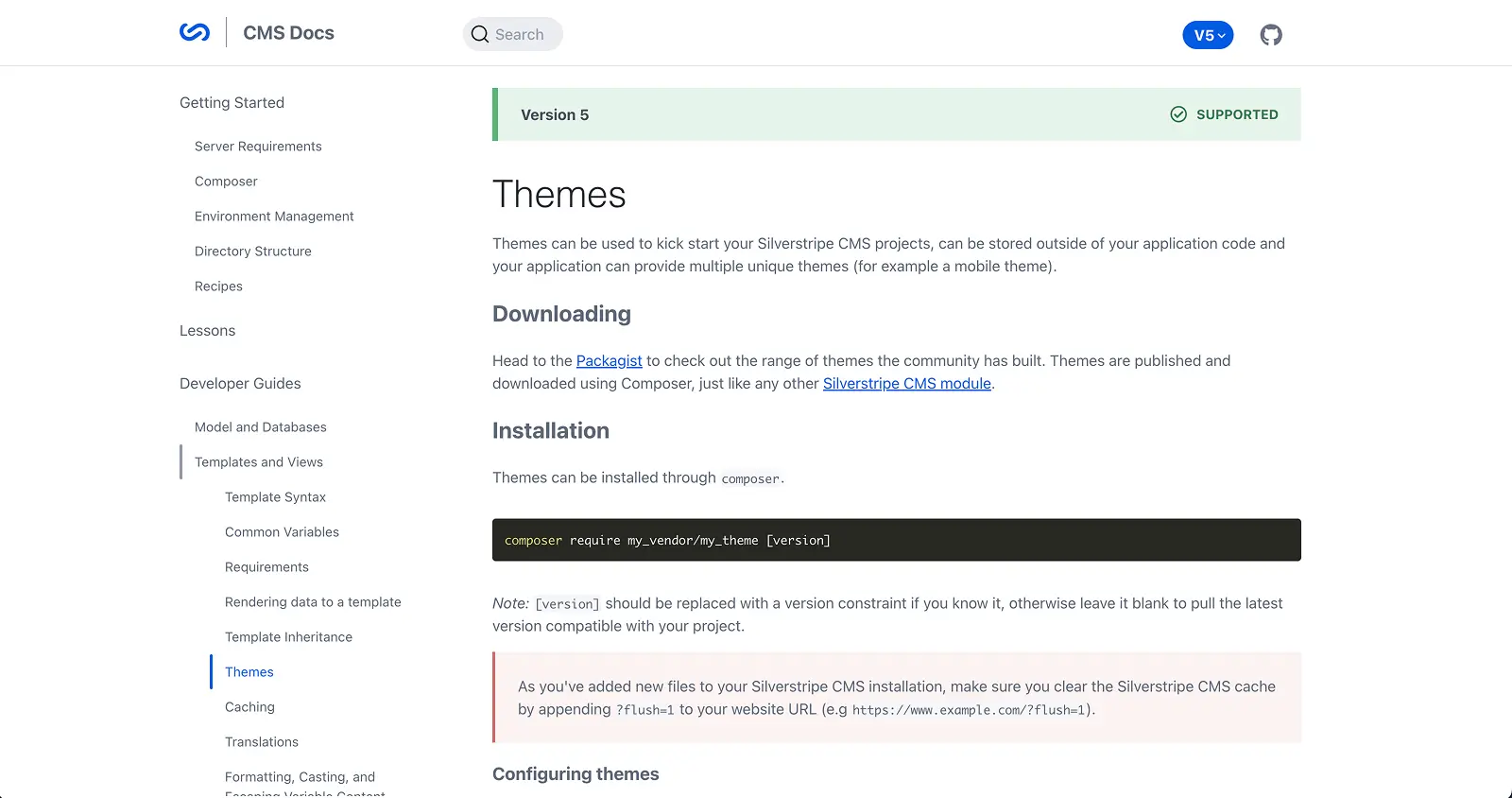
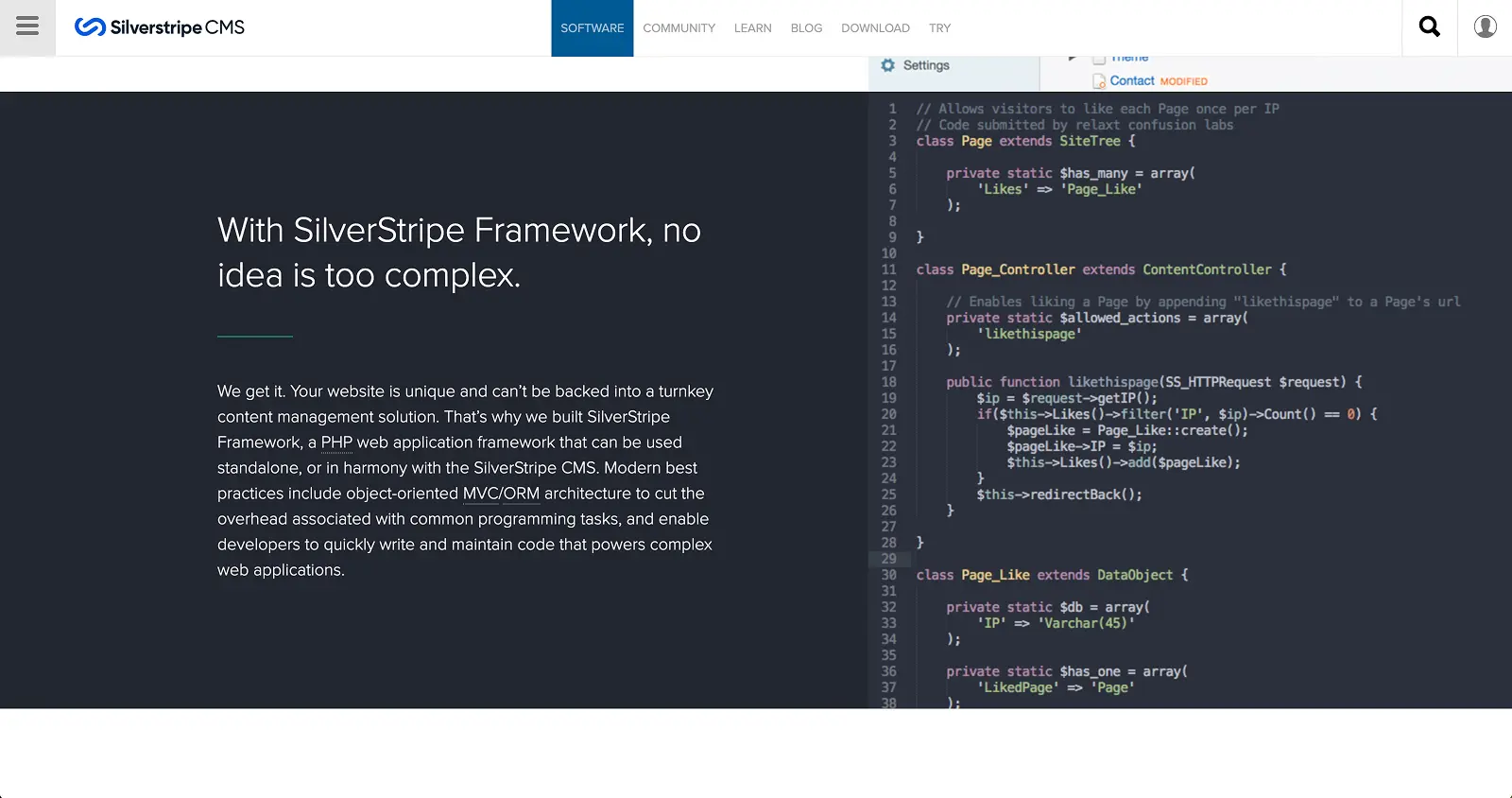
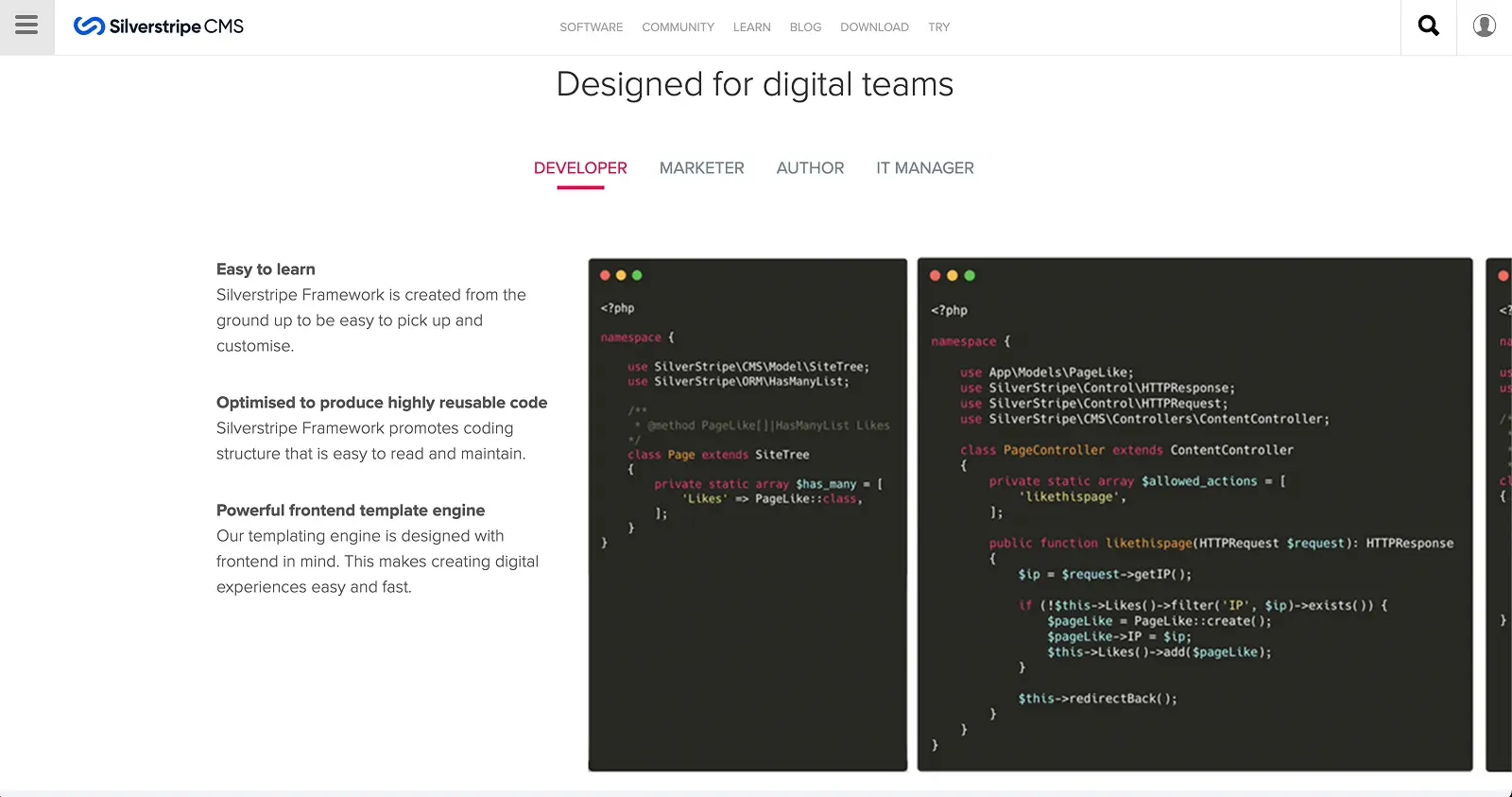
Silverstripe provides themes and modules to start from, but achieving genuinely custom design requires significant developer involvement. The platform's templating system is powerful but technical - without deep Silverstripe expertise, customisation is slow and expensive. Build timelines for complex enterprise projects on Silverstripe are typically measured in months.
Webflow:
Webflow's visual development framework cuts build time substantially. The same scope that takes months on Silverstripe takes weeks on Webflow - not because corners are cut, but because the platform removes the overhead of manual coding for layout, interaction, and responsive design.
"To put it simply, with Webflow, we can go live in weeks, not months."
Jonathan Cook, N4 Co-founder
02. Design capabilities
Silverstripe:
Silverstripe is technically capable of complex design outcomes, but the ceiling is defined by your development team's expertise. Without deep platform knowledge, the templating engine is a constraint rather than an enabler.
"With Silverstripe, although you're technically limitless, realistically your limits depend on your team's capabilities and expertise."
Alex Rankin, Webflow Developer, N4
Webflow:
Webflow gives designers a genuinely blank canvas. Figma designs transfer directly. Complex interactions and animations are built natively without additional plugins. There is no theme ceiling because there is no theme - every element is built, not selected.
03. The CMS and marketing team autonomy
Silverstripe:
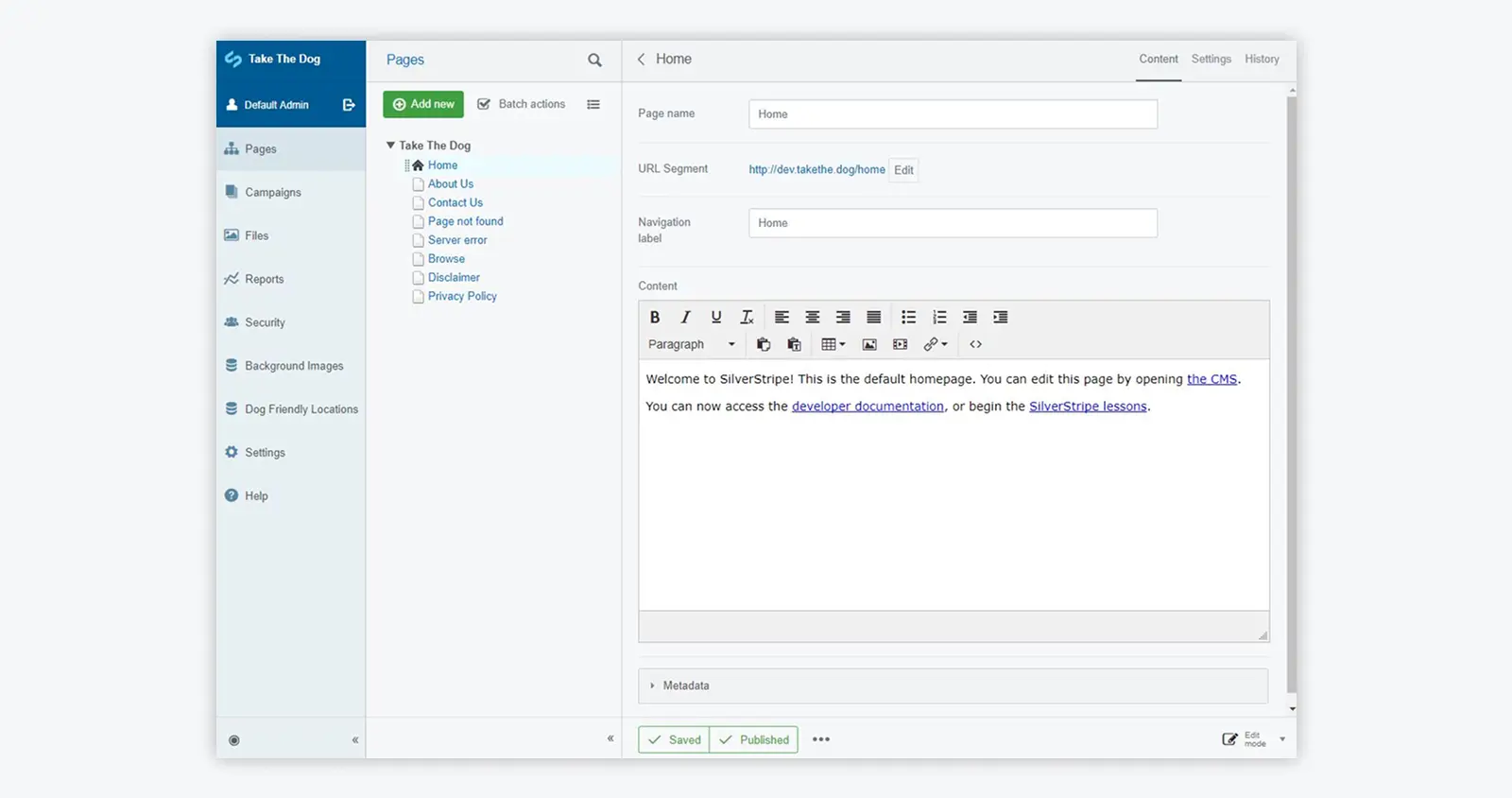
Silverstripe's CMS is functional but demanding. Marketing teams typically face a significant learning curve, and structural page changes almost always require developer involvement. For enterprise organisations where publishing velocity matters, this creates a persistent bottleneck.
Webflow:
Webflow's CMS is built for everyone who touches the site - designers, developers, and editors working in the same visual environment. Marketing teams make structural page changes without development tickets. Content updates happen on-page in real time. The velocity improvement is not marginal - it is structural.
04. AI capabilities
This is the category where the gap has widened most significantly since this comparison was last written, and the one enterprise teams are asking about most.
Silverstripe:
Silverstripe does not have a native AI layer. AI capabilities can be integrated through third-party tools - writing assistants, personalisation platforms, A/B testing tools - but each adds integration overhead, maintenance burden, and vendor dependency. There is no native experimentation, no AI-optimised content delivery, and no built-in analytics tracking AI-referred traffic.
Webflow:
Webflow has built AI natively across three distinct layers. The AI Assistant in the Editor allows content editors to generate and improve copy directly on the canvas. Webflow Optimize's AI-optimised delivery mode dynamically allocates traffic between variants based on real-time visitor behaviour - identifying what converts for each segment without manual configuration. And Webflow Analyze tracks AI referral traffic from ChatGPT, Perplexity, and other AI answer engines, so teams can measure their AEO performance directly in the platform. For enterprise teams building an AI-native marketing operation, this native integration removes the stack assembly problem entirely.
05. SEO and AEO
Silverstripe:
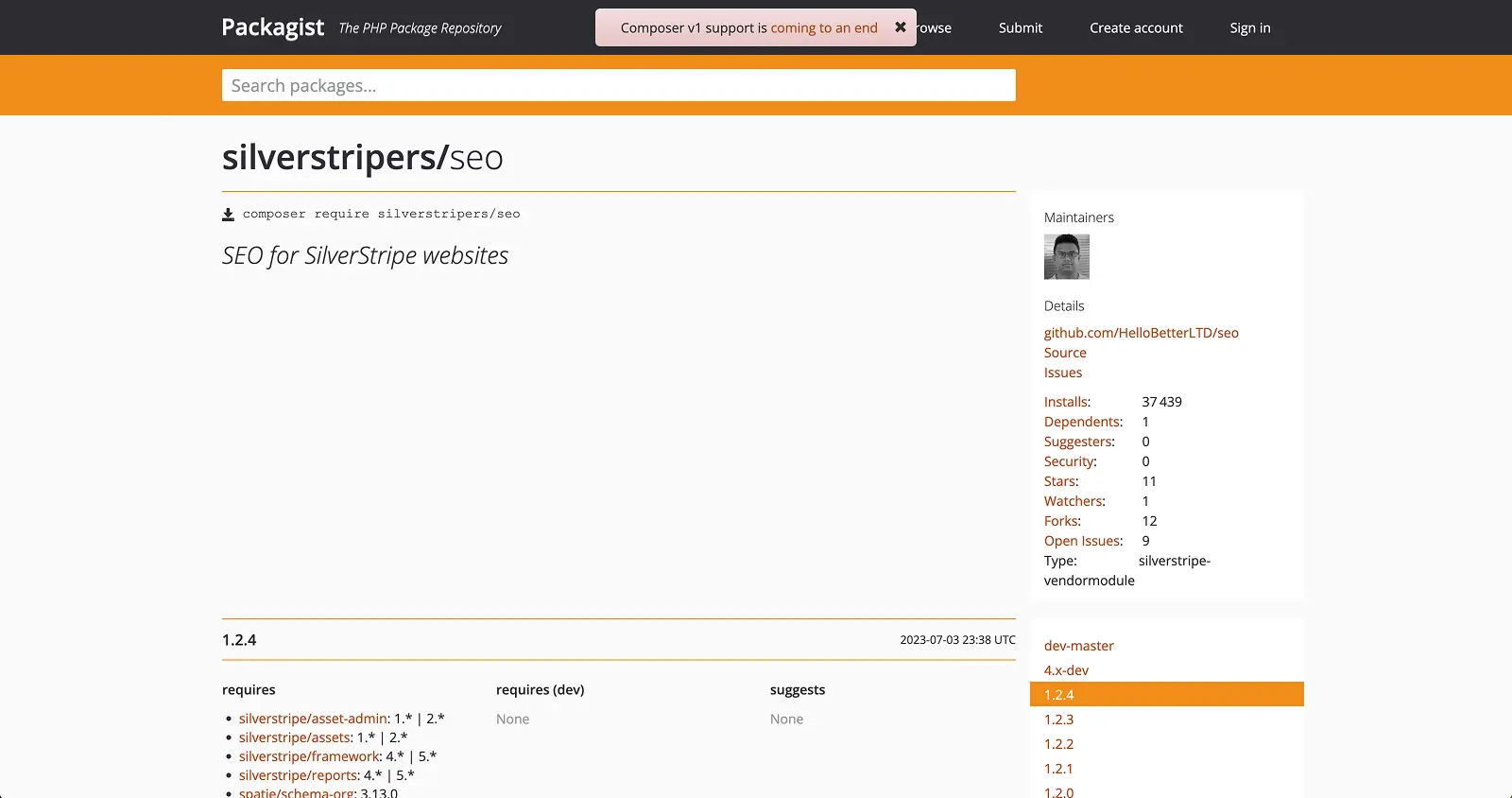
Silverstripe offers strong technical SEO foundations for teams with the expertise to use them. For AEO specifically - structuring content so AI systems like ChatGPT and Perplexity surface it as a trusted source - the plugin-assembled approach requires manual schema implementation that is difficult to scale systematically across large sites.
Webflow:
Webflow's SEO toolkit is native - meta tags, canonical tags, 301 redirects, sitemaps, schema markup, and Open Graph data all managed without plugins. For AEO, Webflow's semantic HTML output, CMS-driven schema generation, and AI referral traffic tracking give enterprise teams both the technical foundation and the measurement tools to compete in AI-generated search.
06. Enterprise collaboration and governance
Silverstripe:
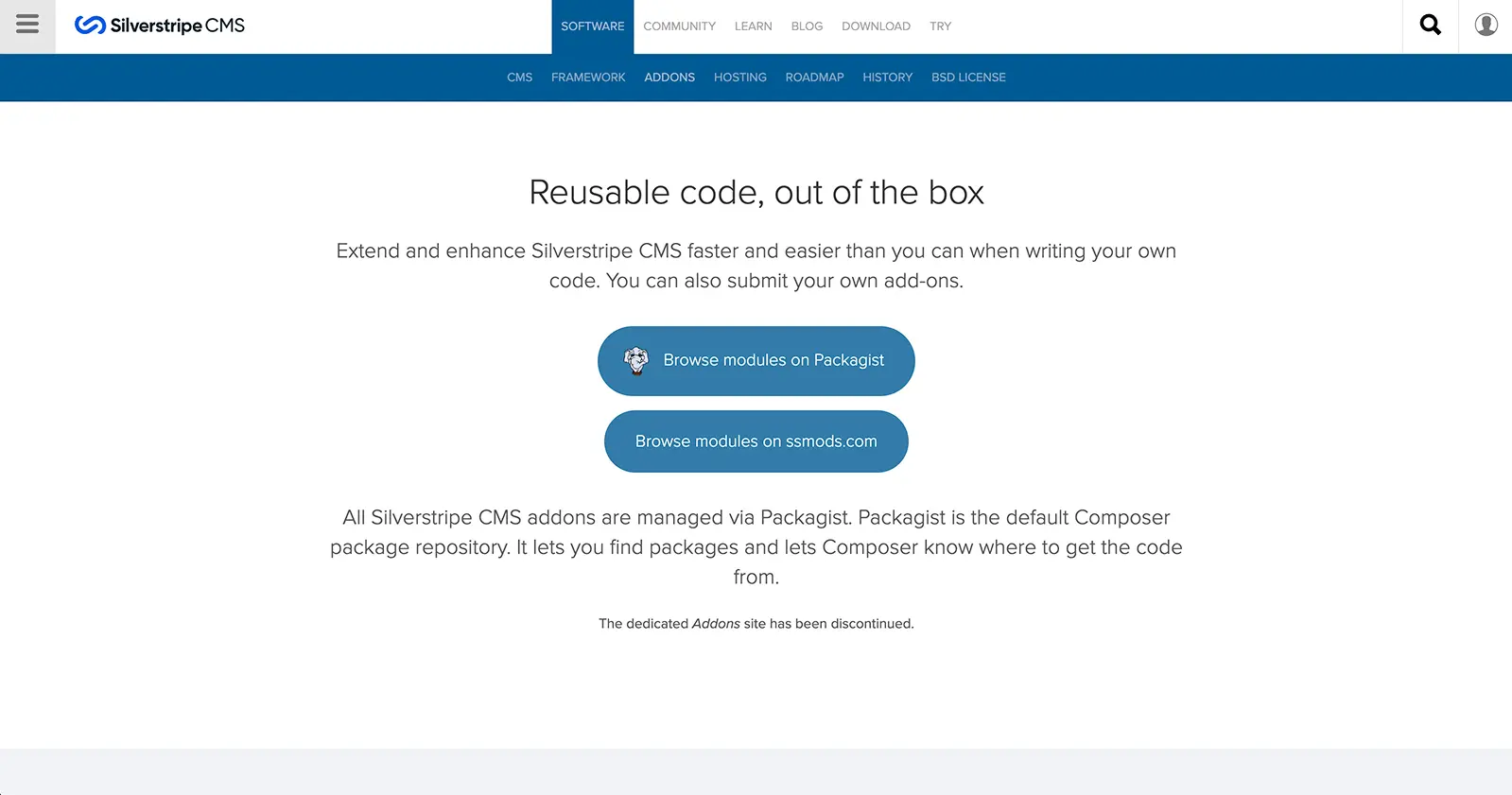
Silverstripe provides basic user access configuration. For enterprise teams with complex governance requirements - approval workflows, audit trails, SSO, role-based permissions - these capabilities need to be extended through custom development or third-party tools.
Webflow:
Webflow Enterprise includes native collaboration infrastructure: granular role-based permissions, custom approval workflows, page branching for parallel development, private staging environments, SSO integration, and audit logs. The governance framework is built into the platform rather than assembled from third-party tools.
07. Security
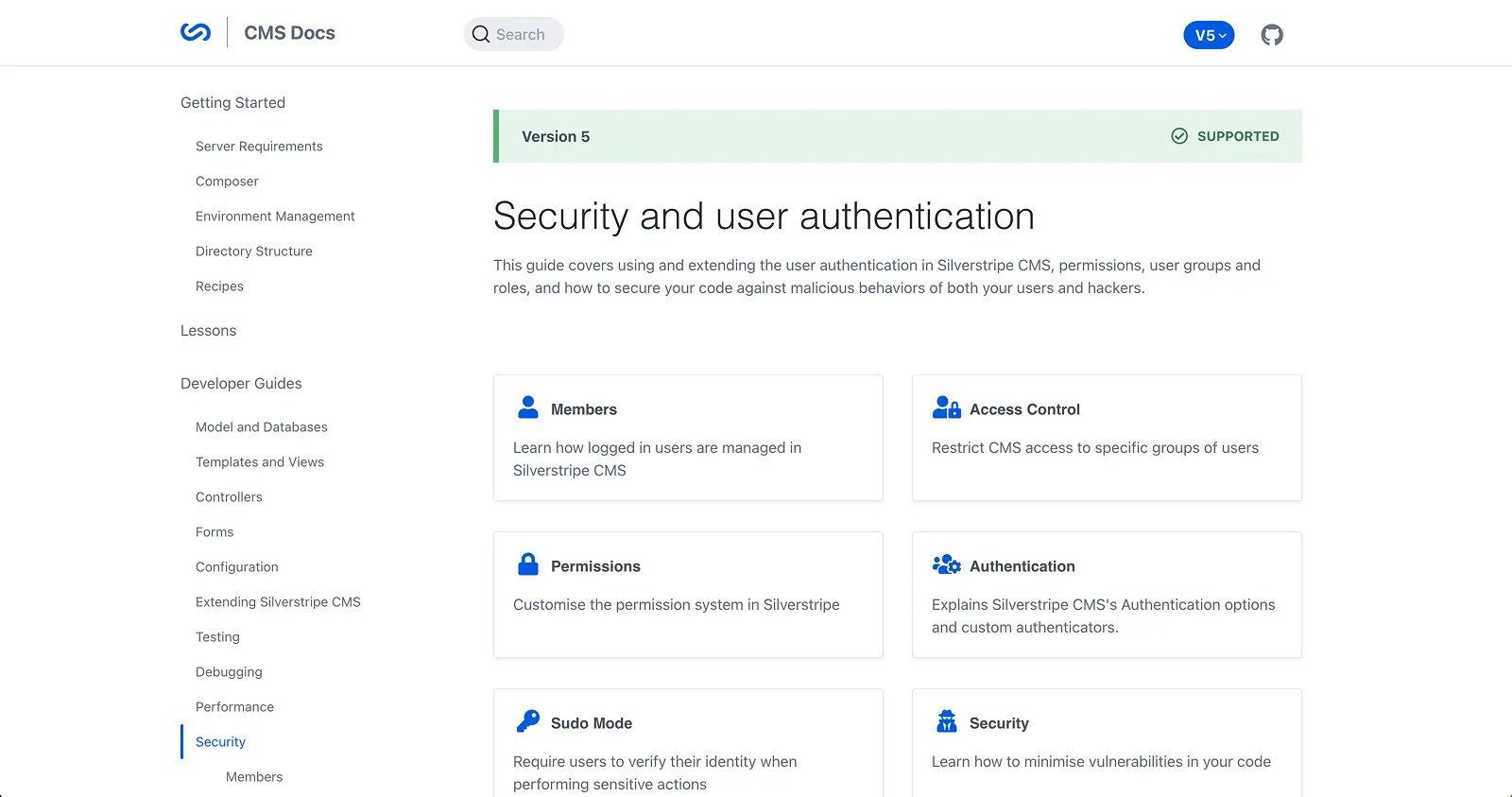
Silverstripe:
Silverstripe's open-source model means core code is actively reviewed by a global developer community, with vulnerabilities identified and patched relatively quickly. Security responsibility sits with the organisation's development team - which is both the strength and the limitation of the open-source model.
Webflow:
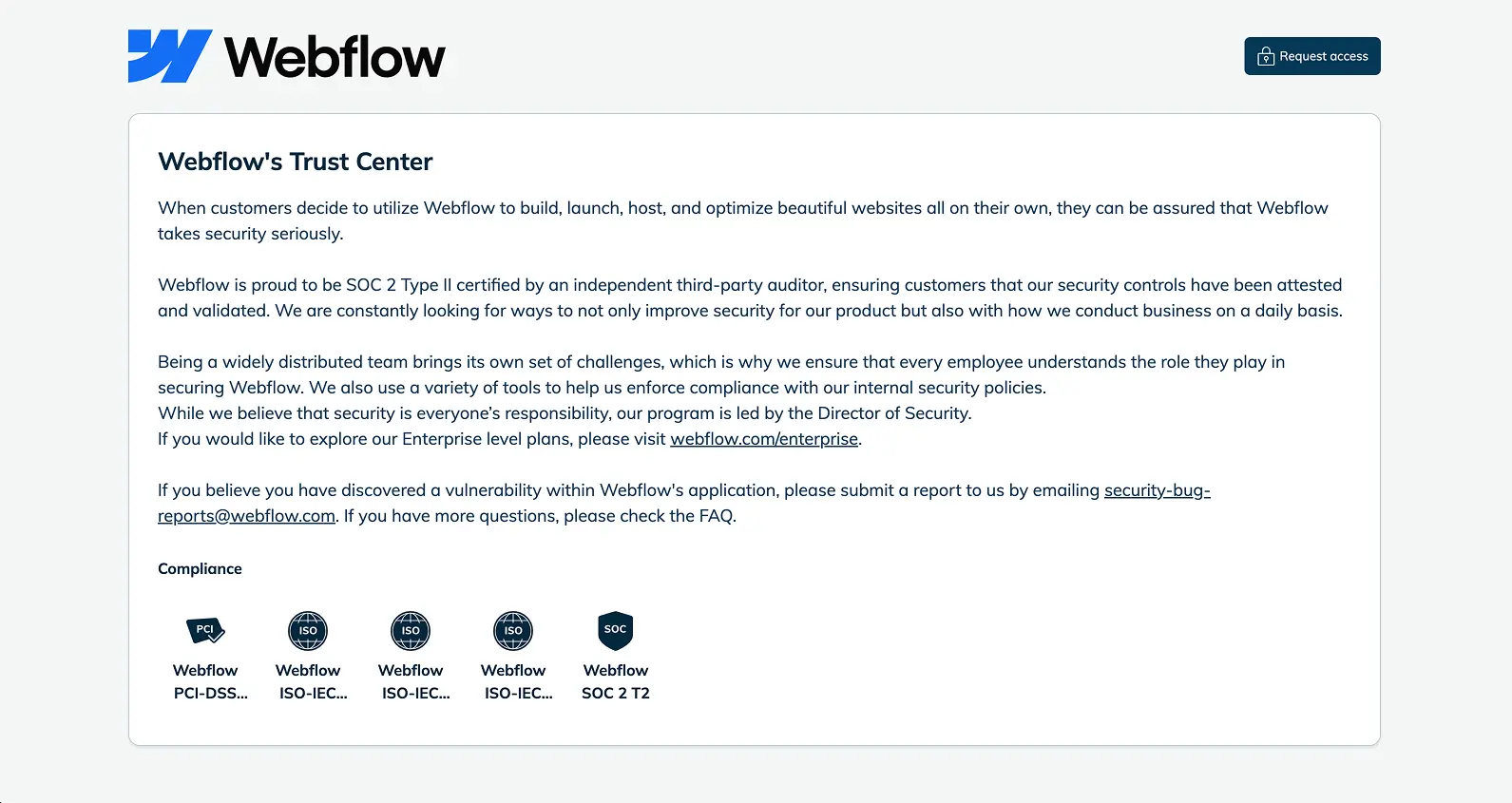
Webflow's security is managed at the platform level: SOC 2 Type II compliance, global DDoS and bot protection, SSL certificates, two-factor authentication, per-page password protection, and automatic backups. For enterprise organisations with IT security obligations, the managed model eliminates the engineering overhead of maintaining website security infrastructure. Explore Webflow's Trust Center for full details.
08. Cost of ownership
Silverstripe:
Silverstripe's open-source core is free. The total cost of ownership - hosting, developer time, plugin licensing, security overhead, and the cost of a marketing team dependent on developer support - is highly variable and typically underestimated at procurement. For enterprise organisations with ambitious sites and active marketing programmes, Silverstripe's TCO often exceeds a Webflow Enterprise subscription.
Webflow:
Webflow Enterprise's subscription consolidates hosting, CDN, security, and the native toolset in a single transparent cost. Organisations that have migrated from comparable open-source platforms consistently report lower total cost of ownership - not because Webflow is cheap, but because the hidden costs of the alternative are higher than they appeared.

The verdict
Silverstripe is a rational choice for organisations with a mature development team, strong regional developer networks, and a site that is not being used as a primary growth asset. Government and education sites with stable content and limited marketing requirements fit this profile reasonably well.
For enterprise organisations where the website is a strategic growth tool - where marketing velocity, AI-native capabilities, conversion optimisation, and total cost of ownership are the decision criteria - Webflow Enterprise is the stronger platform. The gap on AI capabilities has widened to the point where it is no longer a minor consideration. It is a structural difference in what the two platforms enable for enterprise marketing teams in 2026.
Explore more comparisons:
Talk to our Webflow Enterprise team
N4 is the number one ranked Webflow Enterprise Partner globally. If you are evaluating a migration from Silverstripe to Webflow - or want an honest assessment of what it would involve for your organisation - get in touch. We have done this before.
-2.jpeg)